Best Time of Year for a North Georgia Wine Tour (Season-by-Season Guide)
Timing shapes everything: light on the vines, tasting room energy, and how far in advance you should reserve. Here is a practical, season-by-season guide.
The best time for North Georgia wine tours is not a single answer—it depends on whether you want peak foliage, elbow room at the bar, or a slow afternoon with no rush. North Georgia sits where the Appalachian foothills meet serious wine country: private winery routes thread through Ellijay, Blue Ridge, Dahlonega, and Cleveland with different elevations, harvest schedules, and weekend traffic. Weather shifts quickly; a spring morning can be cool and bright while a summer afternoon builds toward thunderstorms. That is why choosing a season is really choosing an experience first, then matching your dates to it.
This guide walks through North Georgia wineries by season—what you will see in the rows, how busy tasting rooms feel, and when to visit wineries in North Georgia if you care about views, crowds, or group energy. Use it alongside your own calendar: weekends fill first, and peak fall weekends can book weeks out for premium private tours.
Elevation changes the experience more than many first-time visitors expect. A tasting at a valley floor property can feel warm and still while a ridge-top patio twenty minutes away runs cooler and windier on the same afternoon. That is why seasoned travelers often anchor one region per day—Ellijay and Blue Ridge on one arc, Dahlonega and Cleveland on another—rather than chasing miles for the sake of a map pin.
Best Time for North Georgia Wine Tours: Quick Answer
- Fall (September–November) is the most popular window: harvest activity, peak foliage in the ridges, and the strongest demand for weekend reservations.
- Spring (March–May) offers the best balance of mild weather, blooming vines, and lighter crowds before summer travel peaks.
- Summer (June–August) is lively and green—ideal for groups that want energy, longer days, and patio hangs (watch for afternoon storms).
- Winter (December–February) is the quietest—intimate tastings, fewer cars on the two-lane roads, and a slower pace overall.
If you are comparing North Georgia wine tour fall vs summer in one sentence: fall trades longer daylight for color and atmosphere; summer trades crisp mornings for lush vines and a buzzier social scene. Neither is wrong—only different.
Spring Wine Tours (March–May)
Spring is when North Georgia vineyards wake up. Bud break rolls through the foothills at slightly different times by elevation, so you may see bare canopies at one stop and bright green at another on the same day. Temperatures are mild, humidity is moderate, and rainfall is common enough that you will want a light layer for covered patios. Crowds are moderate compared with peak summer and fall: weekends still fill, but weekday afternoons often feel relaxed and conversational.
For guests who prefer a calm rhythm—unhurried tastings, easier parking, and time to talk with staff—spring is a strong choice. Routes around Ellijay wine tours shine here: winding roads, valley views opening up, and tasting rooms that have not yet hit summer volume. If you are planning a North Georgia wine tour in spring, consider a midweek start or a Friday that avoids holiday weekends.
Rain is part of the season, but it rarely ruins a day if your plan includes indoor tasting space and realistic drive times between properties. Spring is also when many wineries release brighter, acid-driven wines that pair well with lighter lunches—useful if you want food and wine to feel balanced rather than heavy.
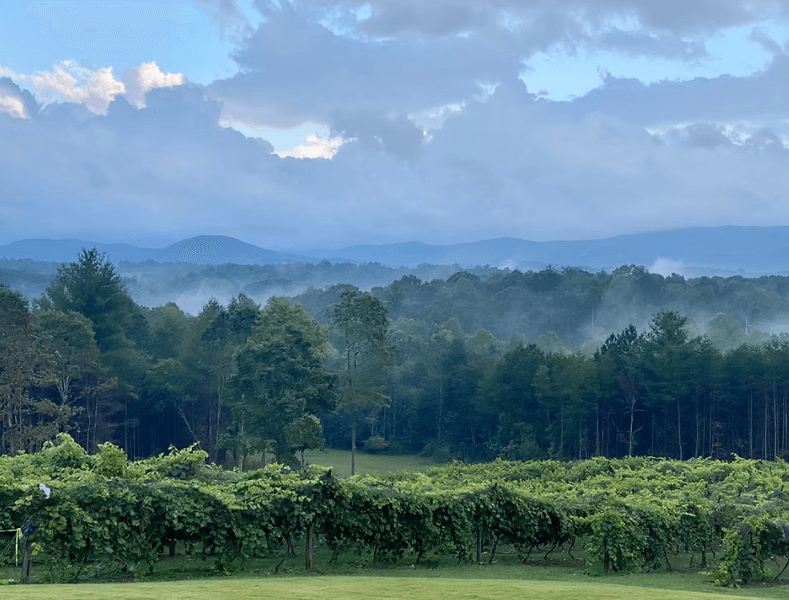
Spring in the rows
New growth, soft light, and crisp white and rosé pours set the tone. Ask about vineyard walks when weather allows—some properties open short trails before the heat of summer.
Summer Wine Tours (June–August)
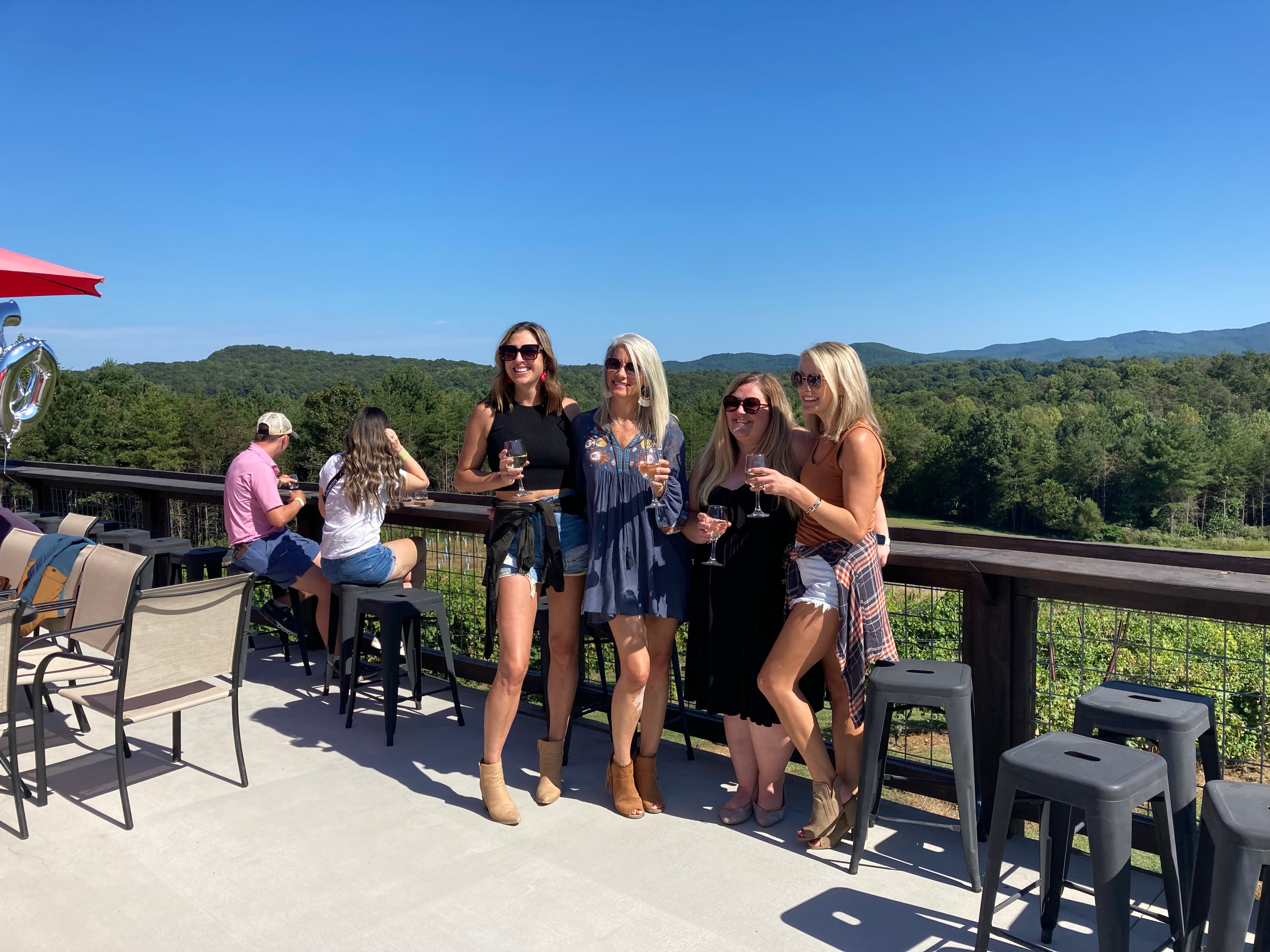
Summer is when North Georgia wine country feels most alive. Vines are dense and deep green, patios stay busy into the evening, and tasting flights lean toward bright, chilled styles. This is the season for groups that want celebration energy: birthdays, reunions, and friends trips that treat the day as a moving event. The tradeoff is volume—weekend slots fill quickly, and popular overlooks can feel crowded at golden hour.
Afternoon thunderstorms are part of the rhythm. They often pass quickly, but they can shift timing between stops. A private driver who knows the route and can adjust on the fly matters more in summer than in quieter months. Start earlier, build in buffer between stops, and favor shaded patios when you can. Summer is also when Blue Ridge wineries and Ellijay corridors see the most weekend traffic—plan accordingly if you want breathing room.
Hydration and pacing matter: summer tastings add up faster in the heat, and full pours in full sun can catch guests off guard. A disciplined flight order—lighter styles first, bolder reds after lunch—keeps the day feeling premium rather than fatiguing. If your group includes anyone sensitive to heat, prioritize venues with indoor seating or covered pavilions for midday stops.
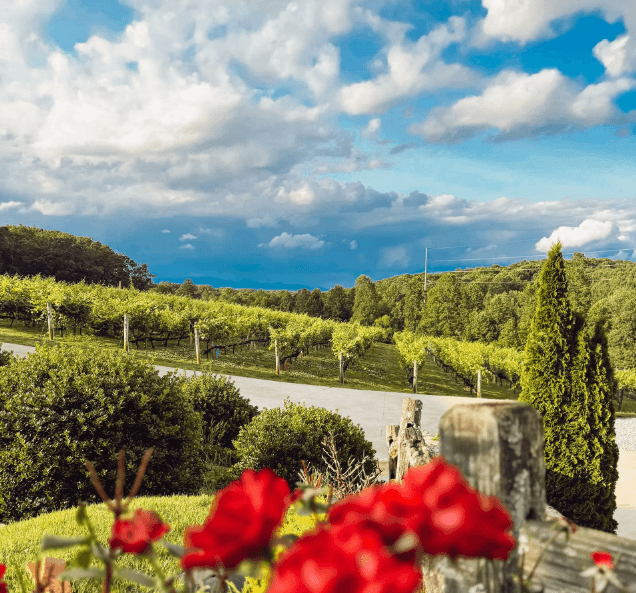
Summer energy
Long days reward early starts: cooler air, softer light for photos, and tasting rooms before the busiest afternoon wave.
Fall Wine Tours (September–November)
Fall is peak season for a reason. Harvest brings activity to the crush pads, reds show more structure in the glass, and the ridges between Blue Ridge and Ellijay turn gold and red on clear days. For many guests, this is the best overall experience: scenery, atmosphere, and a sense of occasion. It is also when demand is highest—especially October weekends aligned with foliage and festivals.
If you are comparing Blue Ridge wineries best time to visit against other regions in North Georgia, fall often wins on views alone. But you should book early: private vehicles, premium time slots, and popular tasting rooms all tighten availability. Midweek tours can still deliver the same visual drama with less congestion. A Blue Ridge wine tour in late October can feel cinematic—just plan for cooler evenings and sunset that arrives earlier.
Harvest is not a single weekend—it is a rolling window across varieties and sites. Some guests love the energy of crush-season activity; others prefer post-harvest calm when cellars are settling and staff have more bandwidth to talk through blends. If you want the most classic "wine country" feel, target mid-October on a clear forecast—but keep a backup indoor stop in mind if weather shifts.
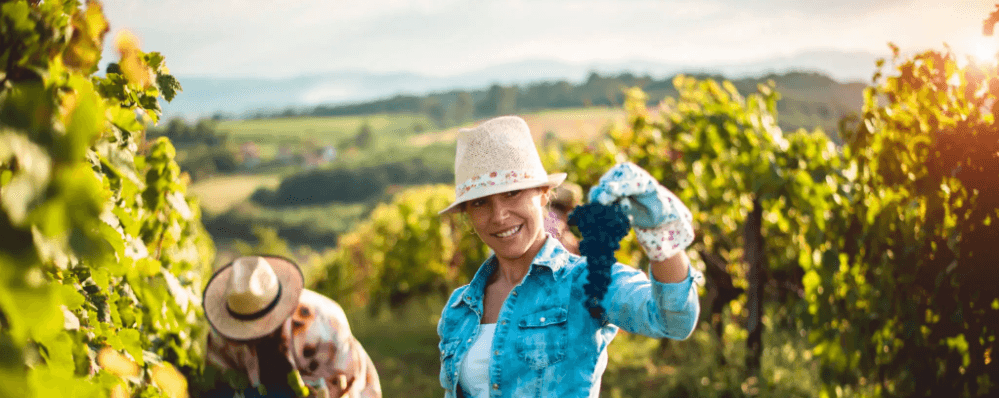
Peak season, peak demand
Reserve ahead, confirm your route, and treat traffic as part of the day—patience pairs well with mountain views.
Winter Wine Tours (December–February)
Winter strips the landscape down to structure: bare vines, sharper silhouettes, and tasting rooms that feel quieter and more intimate. Fires, indoor flights, and slower conversations are the draw—not long patio sessions. Weather can be cold and occasionally icy at elevation, so flexibility helps. If you prefer a private, unhurried feel and do not need every vineyard to be in full leaf, winter is underrated.
This season suits couples and small groups who want a low-profile day: fewer crowds on the roads, easier parking, and a sense of having the place to yourselves. Dress in layers, confirm daylight hours, and expect some seasonal closures or reduced hours around holidays—always check ahead.
Roads can be quieter, but mountain weather deserves respect: a sunny morning in town does not guarantee the same conditions fifteen minutes up the ridge. Build conservative timing into the day, especially if your group wants sunset photos or a late finish. The reward is a tasting cadence that feels unhurried—more conversation, less queue.
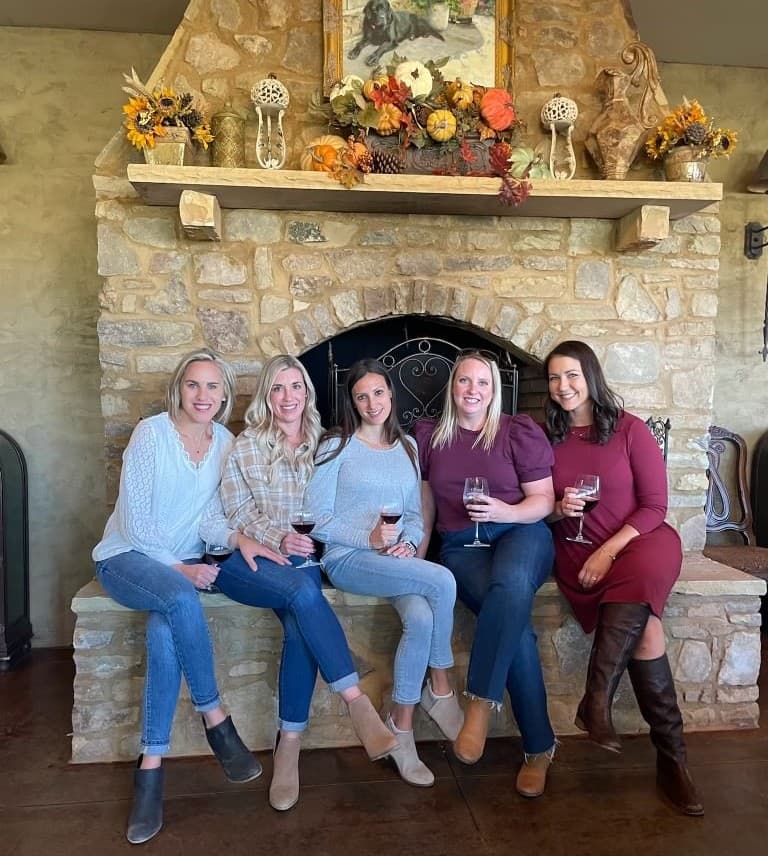
Quiet and cozy
Indoor tastings, hearty reds, and unhurried pacing define the winter months—ideal when you want the day to feel like yours.
Best Time Based on Your Goals
Use this section to align your priorities with the calendar. The "right" season is the one that matches how you want to feel when the last glass is poured.
Best for views
Fall wins for layered color and clear mountain backdrops, especially on routes with elevation. Spring offers softer greens and misty mornings that photograph beautifully in diffused light.
Best for fewer crowds
Winter and early spring weekdays are the calmest. If you want fewer people without sacrificing warm weather, aim for spring midweek before Memorial Day.
Best for groups
Summer and fall deliver the most social energy—longer days, busier patios, and a built-in festival vibe. Book earlier and align your party on timing so no one feels rushed between stops.
Best for couples
Winter and late fall evenings lean intimate: quieter rooms, slower service, and a sense of occasion without the summer weekend surge. Choose a day with flexible timing so you can linger where the conversation is best.
When to Book Your Tour
For peak weekends—especially fall and holiday-adjacent Saturdays—start planning as early as your group can commit. Weekday tours offer more flexibility and often a smoother flow between wineries. If your dates are fixed, narrow your route first, then lock transportation before micro-managing tasting menus.
Weekends versus weekdays is the single biggest lever for crowd density. If you are flexible, a Thursday or Friday can feel like a different region than the same route on Saturday. When you are ready to put dates on the calendar, a structured overview of North Georgia wine country can help you compare regions before you choose a season: see our North Georgia wine tour hub for planning context.
If your group is split between early risers and late starters, agree on a single pickup window and protect it—summer traffic and fall parking congestion punish fuzzy timing. Private transportation is not only convenience; it is how you keep the day feeling cohesive when the schedule needs to flex.
Final Thoughts
There is no single "best" month—only the best match for your group. North Georgia delivers year-round: spring for balance, summer for vitality, fall for spectacle, winter for intimacy. When you choose with intention, the season stops being a constraint and becomes part of the story.
The goal is not to chase a perfect forecast—mountain weather will always have a say—but to align your expectations with the season you select. Do that, and every stop feels like part of a coherent day rather than a checklist.